What Happens When a Dumpster Is Overloaded?
On a busy construction site, it is easy to treat a dumpster like one more thing that simply needs to get filled and hauled away. But how a container is…
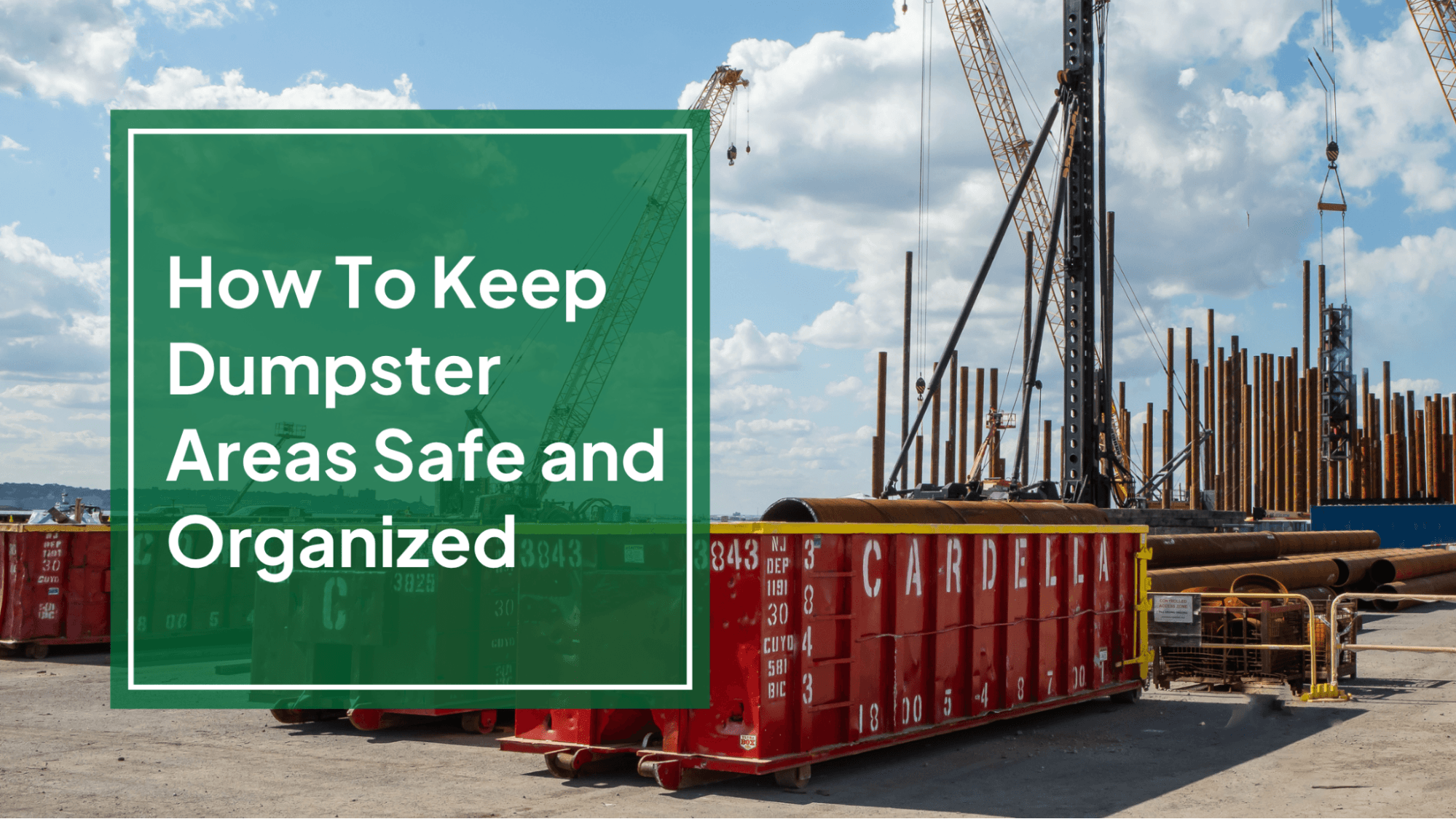
On an active construction site, the dumpster area can become disorganized quickly.
Debris starts collecting beside the container. Workers leave materials protruding over the top. Equipment blocks the pickup route. Someone outside the project adds unauthorized waste overnight. Before long, an area intended to support jobsite operations becomes a safety concern and another problem for the superintendent to solve.
Good construction dumpster safety starts with treating waste removal as part of the project’s daily workflow. With thoughtful placement, clear loading practices, and proactive service scheduling, site superintendents and project managers can reduce hazards while keeping work moving.
Proper dumpster placement affects nearly everyone on the jobsite, including laborers, equipment operators, delivery drivers, and the waste hauler servicing the container.
Ideally, a dumpster should be placed on a firm, level surface in an area that workers can reach without carrying debris through heavily traveled paths. The location should also provide enough room for the roll-off truck to approach, load, and leave safely.
Before selecting a placement area, consider:
Conditions can change as construction progresses. A placement area that works during demolition may interfere with deliveries or equipment during a later phase. Superintendents should reevaluate dumpster locations throughout the project rather than assuming the original setup will remain suitable.
On space-constrained NYC jobsites, this may require especially close coordination among the superintendent, logistics team, and waste provider. In Northern New Jersey, sites may have more room, but containers still need to be placed where they will not interrupt traffic or create unnecessary hauling distances for workers.
Waste placed beside a dumpster can create trip hazards, obstruct equipment, and make it difficult for the hauler to service the container. Loose debris can also spread into surrounding work areas or public spaces.
Establish a clearly defined dumpster zone and require crews to keep the surrounding area clean. That means:
If possible, use barriers, cones, fencing, or signage to identify the area and discourage workers from using it for general storage. On larger projects, assigning responsibility for inspecting the dumpster area at the end of each shift can prevent small problems from becoming larger ones.
A clean dumpster area also makes it easier to identify unauthorized disposal. Illegal dumping can introduce prohibited materials, consume valuable container capacity, and create added costs or compliance concerns.
A dumpster is not safely loaded simply because more material can physically fit inside it.
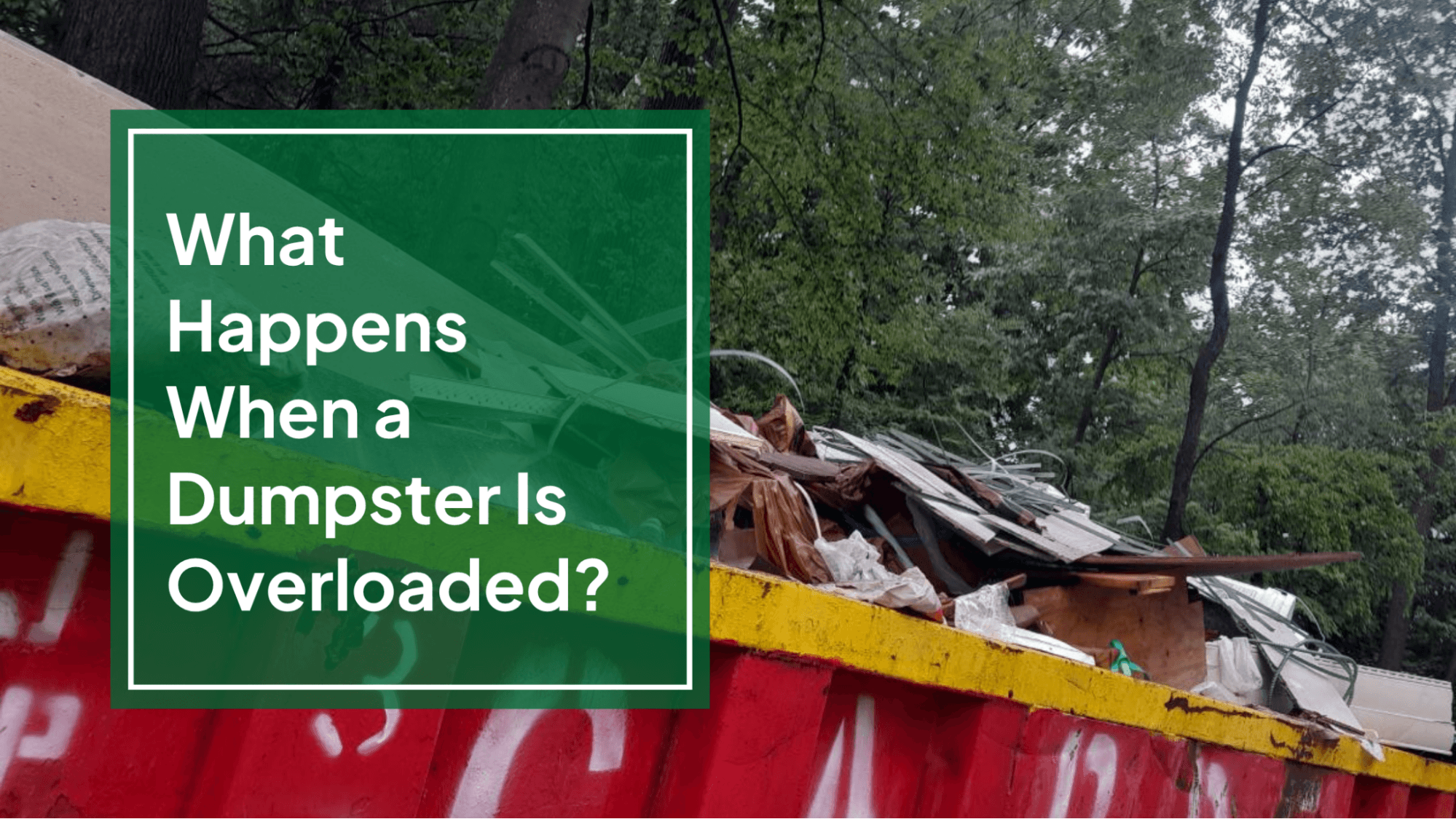
Debris should remain within the container’s walls and should never extend above the permitted fill line. Materials protruding from the top or sides can fall during transport, prevent the container from being covered properly, or make it unsafe for the driver to remove.
Crews should also distribute material as evenly as possible. Concentrating heavy debris on one side can make the container difficult to lift and transport safely.
Dense materials such as concrete, brick, masonry, asphalt, and soil require special attention. These materials can exceed a truck’s safe or legal hauling weight long before the dumpster appears full. A smaller container or a limited fill level may be necessary for heavy debris.
Superintendents can reduce unsafe loading by communicating a few simple rules during toolbox talks or daily coordination meetings:
These expectations should also be shared with subcontractors. Without consistent direction, each trade may assume someone else is responsible for managing the waste area.
Waiting until a dumpster is completely full to request service often creates an avoidable gap.
By the time the request is submitted, crews may still be generating debris while the container is awaiting pickup. That can lead to overloaded dumpsters, waste piles on the ground, or workers carrying materials farther across the site in search of another disposal point.
A better approach is to monitor fill levels and request a swap before the dumpster reaches capacity. The ideal timing will depend on the type of work underway, expected debris volume, available container space, and the waste provider’s service schedule.
During high-volume phases such as demolition, excavation, or major interior removal, planned swaps may be more reliable than ordering service only when someone notices a full container.
Scheduled dumpster service can help project teams:
For larger projects, supers may also want to coordinate multiple containers by material type, building area, or phase. A simple container plan can make it clear which dumpster each crew should use and when each one is scheduled for removal.
A waste provider cannot complete a pickup safely if the route to the dumpster is blocked.
Before a scheduled delivery, swap, or removal, confirm that the truck can enter the site, approach the container, and exit without encountering parked vehicles, stored materials, temporary fencing, low-clearance obstacles, or active equipment.
The hauling route should account for more than the truck’s width. Roll-off service requires adequate room for the driver to maneuver and operate the container system. Tight turns, soft ground, low wires, and unexpected obstructions can delay service even when the dumpster itself appears accessible.
At the same time, routes used by workers to bring debris to the container should remain clear and reasonably direct. Workers carrying bulky or heavy waste should not have to navigate cluttered walkways, squeeze between equipment, or cross active vehicle routes unnecessarily.
Include dumpster access in daily logistics planning, especially when the site is expecting:
A quick access check before the truck arrives can prevent a missed or delayed pickup.
Dumpsters placed along public streets or near accessible jobsite entrances can attract unauthorized disposal. Aside from using capacity intended for the project, illegal dumping may introduce materials the waste provider cannot accept.
Where practical, use fencing, gates, lighting, cameras, signage, or container covers to discourage unauthorized access. Make sure gates are unlocked and any necessary site contacts are available when service is scheduled.
Project teams should also inspect containers before pickup. If unfamiliar drums, batteries, electronics, chemicals, or other questionable materials appear, contact the waste provider rather than covering them with additional debris.
Dumpster organization works best when it is treated as an ongoing operational responsibility, not a cleanup task addressed only after something goes wrong.
Superintendents can incorporate dumpster management into:
Assigning a specific person to monitor fill levels and coordinate service creates accountability. That person can check container conditions, communicate with crews, confirm access, and request service before the dumpster becomes a bottleneck.
Keeping a dumpster area organized does more than improve appearances. It reduces trip hazards, protects access routes, supports efficient debris removal, and helps crews maintain a cleaner working environment.
The most effective approach combines clear jobsite rules with proactive service. Proper placement gives workers and drivers safer access. Consistent loading practices prevent overflow. Scheduled swaps ensure crews have available capacity before debris begins accumulating around the container.
For projects with predictable debris volume, a scheduled dumpster service program can remove much of the guesswork. Instead of waiting for a container to become an urgent problem, the project team and waste provider can plan proactive swaps around the construction schedule.
Talk with the Cardella Waste team about a scheduled service program or proactive swap plan for your NYC or Northern New Jersey construction project. We’ll help you choose the right containers and service frequency to keep waste areas safer, cleaner, and ready for the work ahead.