What Happens When a Dumpster Is Overloaded?
On a busy construction site, it is easy to treat a dumpster like one more thing that simply needs to get filled and hauled away. But how a container is…

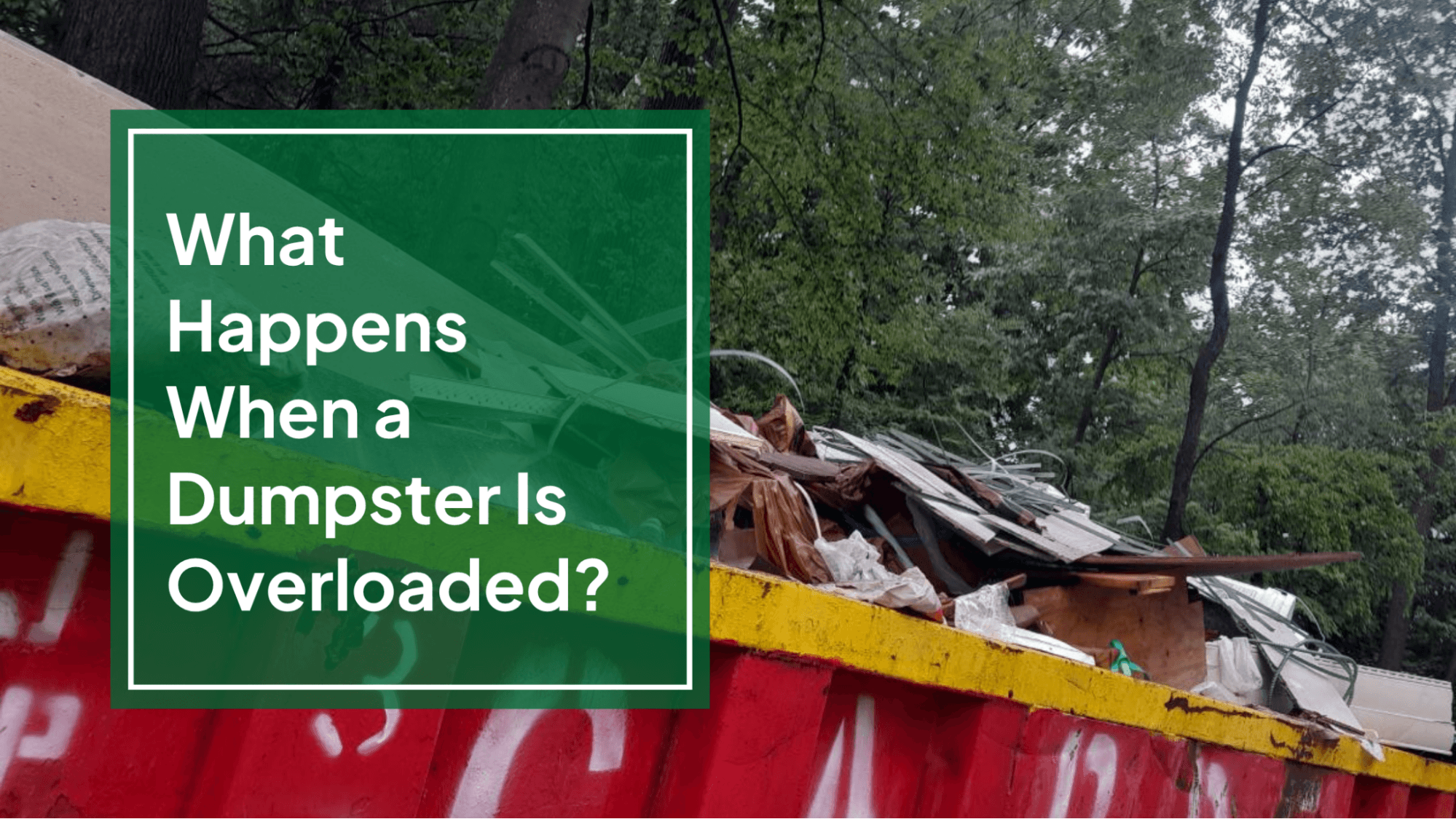
On a busy construction site, an overflowing dumpster is more than an eyesore. It can block access, create safety concerns, disrupt trades, and bring demolition or cleanup work to a standstill.
Yet waste removal is often treated as something to handle when the dumpster is already full.
By then, the delay has already started.
A smarter approach is to make waste removal part of the project schedule from the beginning. With proactive construction dumpster scheduling, NYC and Northern New Jersey project managers can keep debris moving off the site before it interferes with production.
Here’s how to build a better dumpster plan and keep your project moving from start to finish.
A dumpster may look like it has room in the morning and become unusable before the end of the shift.
This is especially common during demolition, framing, interior buildouts, roofing, and other phases that generate large amounts of debris quickly. If the project manager waits until the container is completely full to request service, crews may be left without anywhere to put the next load of material.
That can lead to:
The problem becomes even more difficult on NYC jobsites, where space is limited and delivery windows may be tightly controlled. A container that is not removed on time can affect far more than waste disposal.
The goal should be to schedule service before the dumpster becomes a bottleneck, not after.
Dumpster service should be coordinated with the same level of attention as material deliveries, equipment rentals, inspections, and subcontractor schedules.
Start by identifying the phases expected to generate the most waste. Estimate how quickly each type of debris will fill the available containers, then schedule swaps or pickups around those production periods.
For example, a project may need:
You do not need to predict every load perfectly. Construction schedules change, and actual waste volume will vary. The purpose of a dumpster pickup schedule is to create a reliable starting point that can be adjusted as work progresses.
Recurring service can be particularly useful during high-volume phases. Instead of calling every time a container fills, the project team and dispatch team can establish expected service days and revise them as production changes.
This gives the waste provider more visibility while reducing the number of last-minute requests the project manager has to make.
Demolition can generate an enormous amount of material in a short period. If container delivery and removal are not aligned with the demolition schedule, debris can begin piling up almost immediately.
Before demolition begins, confirm:
It is also important to consider debris weight, not just volume. Dense materials such as concrete, brick, dirt, and masonry may reach safe transportation limits long before the dumpster appears full.
The right container plan depends on what crews are removing. A large container is not automatically the best choice, especially for heavy debris.
When demolition happens in stages, schedule dumpster service by work area or floor. This helps ensure each crew has disposal capacity when it reaches the next phase instead of waiting for a project-wide container to become available.
Large construction projects may have several dumpsters serving different trades, buildings, floors, or waste streams. Without a clear system, project managers can lose track of which containers are active, full, scheduled for removal, or waiting to be returned.
Each dumpster should be treated as a trackable project resource.
Maintain a simple record that includes:
Containers should also be clearly identified onsite. Crews need to know what belongs in each dumpster, particularly when materials are being separated for recycling, reporting, or project-specific requirements.
Designating one primary site contact can improve communication. Instead of multiple subcontractors placing overlapping or conflicting requests, the site contact can coordinate changes with the dumpster provider’s dispatch team.
On especially large projects, it may make sense to conduct a brief waste review during regular planning meetings. A two-minute check on dumpster capacity, upcoming demolition, and scheduled swaps can prevent hours of downtime later.
Even the best dumpster schedule will fail if the driver cannot reach the container.
Construction project managers should account for the conditions that affect service, including:
If access changes, notify the dumpster provider as early as possible. A container scheduled for removal at 9:00 a.m. may not be serviceable if a delivery truck, lift, or stack of materials is blocking the approach.
This is especially important when managing a dumpster pickup schedule in NJ municipalities with local placement rules or on NYC sites with limited curb space and strict delivery coordination.
Whenever possible, create a dedicated service window and keep the route to the container clear. Include any gate instructions, contact information, site restrictions, or required documentation when placing the request.
Dumpster service records can help project managers make better decisions throughout the current job and on future projects.
Track information such as:
Over time, this information makes waste planning more accurate.
If similar projects consistently require three swaps during the first week of demolition, that pattern can be built into the next project schedule. If certain phases generate heavier loads than expected, the team can adjust container sizes or service frequency in advance.
Tracking also helps project managers identify the real cause of recurring problems. A dumpster that appears to fill too quickly may actually be undersized, serving too many trades, receiving the wrong materials, or being scheduled too infrequently.
Good contractor waste management is not simply about removing debris. It is about using service data to make the entire operation more predictable.
Construction schedules rarely stay exactly as planned. Weather changes, inspections move, materials arrive late, and some trades work faster than expected.
A dumpster schedule should be structured, but it should not be rigid.
The best approach combines:
Project managers should review the dumpster plan whenever the construction schedule changes significantly. If demolition moves forward by three days, waste removal should move with it. If a phase is delayed, an unnecessary delivery or swap may need to be rescheduled.
Proactive communication gives the dispatch team more opportunities to accommodate the change and helps prevent emergency requests.
A full dumpster should not be the signal to start thinking about waste removal.
By building dumpster swaps into the project schedule, coordinating service with demolition, tracking multiple containers, and reviewing waste data, project managers can prevent debris from becoming an operational problem.
The result is a cleaner site, fewer interruptions, better coordination between trades, and less time spent reacting to avoidable delays.
Talk with Cardella Waste’s dispatch team to build a dumpster schedule that keeps your project moving from start to finish.