What Happens When a Dumpster Is Overloaded?
On a busy construction site, it is easy to treat a dumpster like one more thing that simply needs to get filled and hauled away. But how a container is…
On a busy construction site, it is easy to treat a dumpster like one more thing that simply needs to get filled and hauled away. But how a container is loaded and what goes into it can affect whether it can be safely and legally removed from the site.
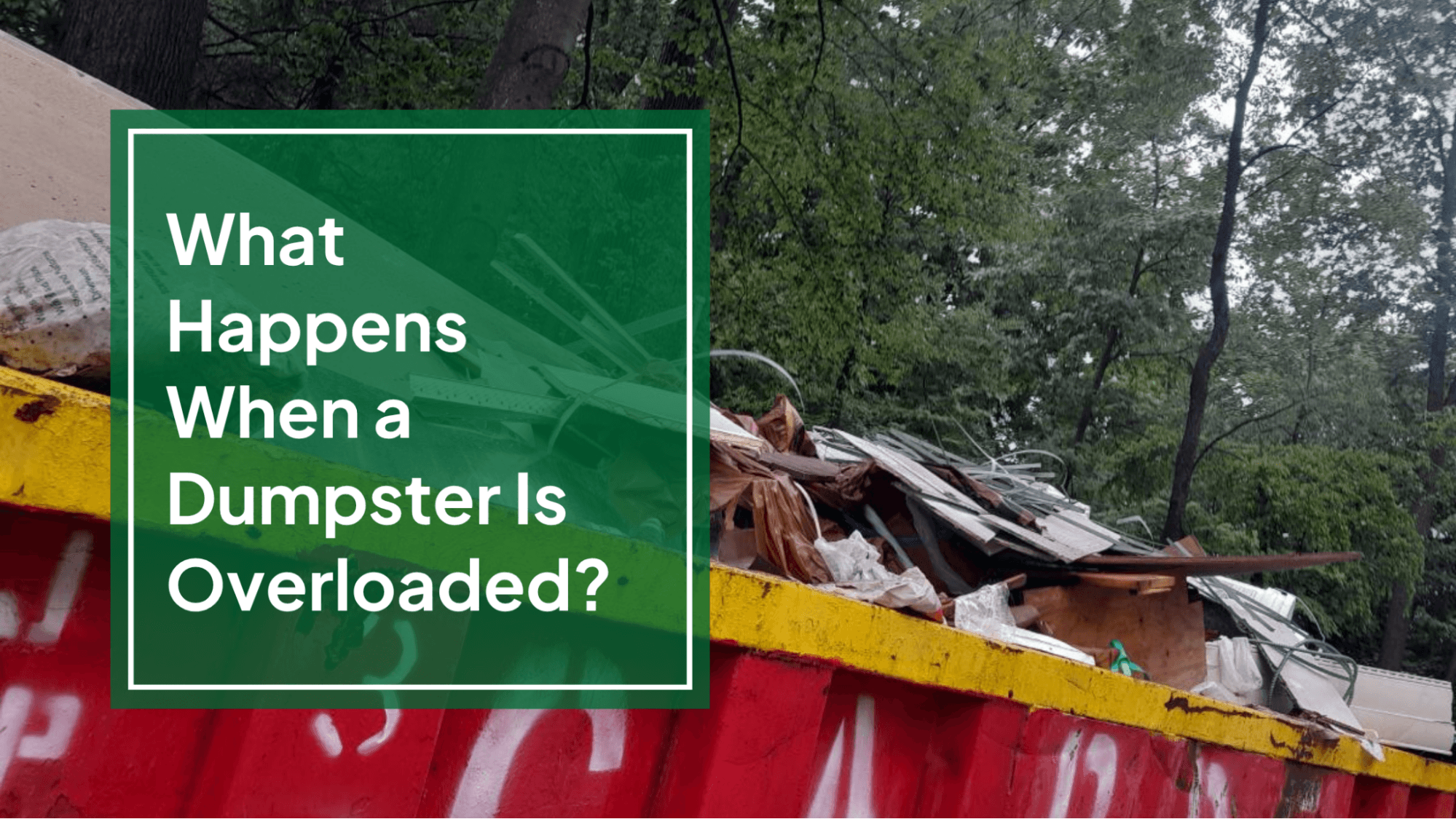
An overloaded dumpster may look manageable from the ground while exceeding the container’s weight allowance or the truck’s legal hauling capacity. It can also contain debris piled above the top rail, preventing the driver from properly securing the load.
Either problem can lead to rejected pickups, project delays, additional charges, or the need to unload material before the container can leave the site.
Understanding dumpster weight limits and loading rules before work begins is the easiest way to avoid those surprises.
A dumpster can be overloaded in two different ways: by volume or by weight.
A container is overloaded by volume when debris extends above the top edge of the dumpster. Even lightweight materials can create a problem if they are piled too high or protrude from the sides. The driver must be able to cover and secure the load before transporting it.
A dumpster is overloaded by weight when the material inside exceeds the container’s stated allowance or cannot be safely and legally transported by the hauling equipment. This is not always visible. A dumpster filled only halfway with concrete, brick, soil, or other dense debris may weigh considerably more than a full container of wood, packaging, or light construction material.
That is why choosing a dumpster based only on the amount of debris can be a costly mistake.
Most overloaded containers are not the result of one unusually large item. They are caused by everyday loading decisions that add up over the course of a project.
Common causes include:
A 40-yard dumpster provides more volume, but that does not necessarily make it the right container for heavy debris. Filling a large container with concrete or soil can quickly create a load that is too heavy to transport. In many cases, a smaller container (or multiple 10- or 20-yard dumpsters) is the safer and more efficient choice.
Concrete, brick, block, asphalt, stone, and soil are among the heaviest materials generated on construction and demolition sites. These materials can exceed a dumpster’s allowable weight long before the container appears full.
Broken concrete and masonry pieces are compact and extremely dense. A dumpster loaded to the top with concrete may be far heavier than the truck can safely haul.
Before ordering, tell the dumpster provider whether the concrete is reinforced, whether it contains rebar, and approximately how much will be removed. The provider may recommend a smaller container, a restricted fill line, or separate loads.
Brick, concrete block, tile, and other masonry debris can also create significant weight. Even when there are gaps between pieces, the total load can become heavy quickly.
Keeping masonry separate from general construction debris makes it easier to estimate the weight and select an appropriate container.
Soil weight varies depending on its composition and moisture content. Wet soil can be substantially heavier than dry material, which makes rain and groundwater important considerations.
Soil may also require special handling or documentation depending on its origin and whether contamination is suspected. Always discuss soil disposal with the provider in advance rather than placing it in a general construction dumpster without approval.
Dumpster weight limits are not arbitrary. They help ensure that the container can be lifted, secured, and transported without placing workers, drivers, pedestrians, equipment, or surrounding property at unnecessary risk.
An overweight or improperly loaded dumpster may create several concerns.
A roll-off truck uses a hoist system to pull the dumpster onto the truck. If the container is too heavy or the material is distributed unevenly, lifting it may be unsafe or impossible.
Commercial vehicles are subject to transportation and roadway weight restrictions. Even if a dumpster physically fits on the truck, the total combined weight of the truck, container, and debris must remain within applicable limits.
Material piled above the top rail can prevent the load from being properly covered. Loose or protruding debris can shift while the truck is moving, creating a serious roadway hazard.
Drivers must evaluate whether a dumpster can be removed safely. If the load is too high, too heavy, unbalanced, or contains unacceptable material, the driver may be unable to complete the pickup.
That can leave the dumpster onsite until the contractor removes or redistributes the excess debris.
If a dumpster cannot be safely hauled, the project team may need to correct the load before another pickup can be attempted.
Depending on the situation, that may mean:
This can interrupt demolition or cleanup work, occupy valuable site space, and create additional hauling or service charges. If crews are relying on an empty dumpster arriving immediately after the full one leaves, one rejected pickup can also disrupt the next phase of work.
Dumpster pricing typically accounts for the container size, type of debris, hauling requirements, and an included or maximum weight allowance. Loads that exceed the agreed limit may result in additional disposal or overweight charges.
The project may also incur costs when:
The least expensive dumpster is not always the one with the lowest initial price. The right container is the one that can hold the intended material and leave the site safely without creating avoidable delays or extra work.
The best time to prevent an overloaded dumpster is before it arrives.
When requesting a quote, provide the dumpster company with as much information as possible about the project, including:
For projects generating several waste streams, using separate containers may be more practical than mixing everything together. Heavy debris can go into appropriately sized dumpsters, while wood, drywall, packaging, and lighter construction waste can be placed in general debris containers.
Large projects may also benefit from scheduled swaps instead of waiting until each dumpster is completely full. Planned service helps keep crews from adding “just a little more” to a container that has already reached its safe loading point.
Once the container is onsite, a few simple practices can help prevent problems:
Container rules and weight allowances can vary by provider, container type, material, vehicle, and destination facility. Confirm the requirements for your specific order rather than relying on limits from a previous job.
An overloaded dumpster can cause more than an extra disposal charge. It can prevent a pickup, slow production, create transportation and safety concerns, and force your team to handle the same debris twice.
The simplest way to avoid these problems is to discuss the material with an experienced local provider before selecting a dumpster. A knowledgeable team can recommend the right container size, explain the applicable weight allowance, and help you plan separate loads for dense materials such as concrete, brick, and soil.
Not sure which dumpster your project needs? Contact the Cardella team for sizing and loading recommendations before placing your order.