What Happens When a Dumpster Is Overloaded?
On a busy construction site, it is easy to treat a dumpster like one more thing that simply needs to get filled and hauled away. But how a container is…
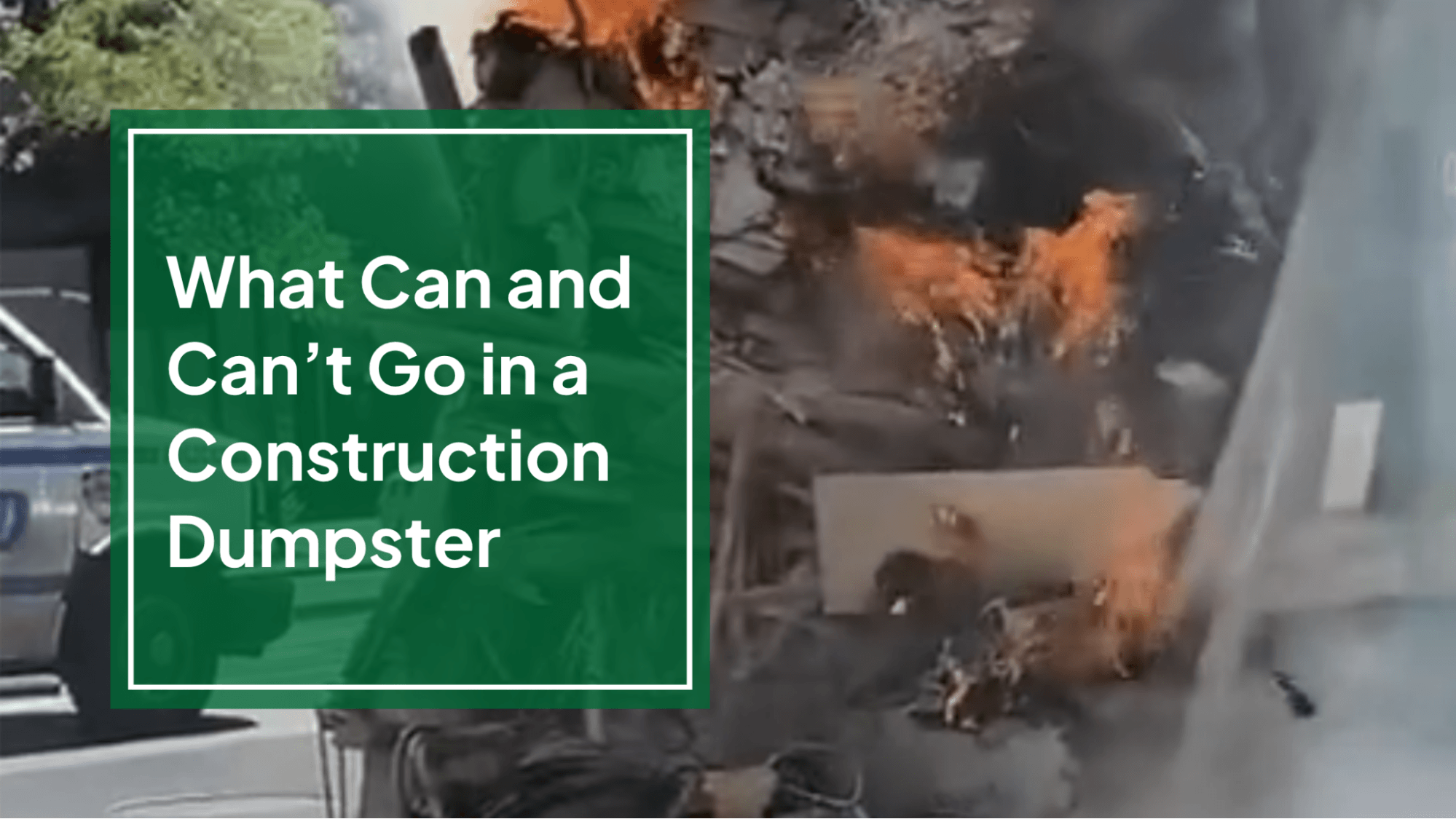
A construction dumpster may look like a place where almost any jobsite debris can go. But one misplaced battery, propane cylinder, appliance, or container of paint can turn an ordinary pickup into a rejected load, a safety hazard, or an unexpected expense.
The challenge is that “construction debris” is a broad term. Some materials can go into a standard roll-off container. Others need to be separated, disclosed in advance, or handled through a different disposal program.
Knowing the difference helps contractors avoid delays, additional charges, compliance issues, and dangerous conditions on the jobsite.
Construction and demolition waste (often shortened to C&D waste) generally includes nonhazardous materials produced during construction, renovation, repair, and demolition.
Common examples include:
However, a material does not automatically belong in a construction dumpster just because it came from a construction site. Chemicals, electronics, batteries, liquids, and other regulated materials require different handling.
The following materials are typically accepted in a standard construction dumpster when they are nonhazardous and loaded safely.
Untreated wood, framing lumber, plywood, pallets, trim, and similar materials are commonly accepted.
Painted, stained, or treated wood may be subject to different requirements depending on the type and condition of the material. Railroad ties, for example, should never be placed in a standard Cardella container.
Drywall, gypsum board, plaster, and many ceiling materials can generally be disposed of as C&D debris.
Materials from older buildings should be evaluated before demolition begins. Certain ceiling tiles, insulation products, joint compounds, and other building materials may contain asbestos or other regulated substances. These hazardous materials require advanced notice, special procedures, and specific permits.
Nonhazardous scrap metal, studs, piping, ductwork, rebar, and metal framing are generally acceptable.
Equipment or fixtures that contain oil, refrigerant, mercury, fuel, batteries, or other hazardous components should never be placed in the dumpster.
Shingles, underlayment, flashing, and similar roofing debris are often accepted. Because roofing material can become heavy quickly, the container size and loading plan matter.
A smaller roll-off may be more appropriate than a high-capacity container when the load will contain dense material.
Concrete, brick, block, stone, and masonry can be handled, but these materials are extremely heavy. They should often be kept separate from general construction debris and placed in a container selected specifically for heavy material.
Cardella’s 10-yard dumpsters and 20-yard dumpsters can accommodate heavy debris when the project and load are planned correctly.
Do not assume that a larger dumpster is the safer choice. Filling a large container with concrete, brick, or soil can exceed its safe hauling weight long before the container looks full.
Cabinets, doors, trim, sinks, tubs, and other nonhazardous building components are commonly handled as construction debris.
Appliances, electronic fixtures, and equipment containing liquids or regulated components need a separate disposal method.
Cardella does not accept the following materials in its standard dumpsters or waste containers:
Computers, monitors, televisions, printers, and other electronics should not be mixed into a C&D load. Appliances may contain refrigerants, oils, electronic components, or other materials that require specialized processing.
New York also restricts the disposal of covered electronic equipment as ordinary solid waste.
Do not place lithium-ion, rechargeable, automotive, or other batteries in a construction dumpster.
Batteries can be crushed or damaged during loading, transportation, and processing. Lithium-ion batteries are an especially serious fire risk because damaged cells will quickly ignite without warning.
This includes batteries left inside power tools, emergency equipment, electronics, and other discarded devices.
Liquid paint, motor oil, gasoline, solvents, adhesives, cleaning chemicals, pesticides, and similar products do not belong in a construction dumpster.
Even a partially filled container can leak, react with other materials, contaminate an otherwise acceptable load, or expose workers to hazardous substances.
Never pour liquids onto debris in an attempt to dispose of them.
Propane tanks, fuel cylinders, fire extinguishers, compressed-gas cylinders, and other pressurized containers are prohibited.
These items may explode or release hazardous contents when crushed, punctured, compacted, or exposed to heat.
An “empty” cylinder may still contain residual pressure and should not be placed in the dumpster unless your waste provider has explicitly approved a separate handling process.
Ash, slag, smoldering debris, hot roofing material, and anything that has not fully cooled should never be loaded into a container.
Hot material can ignite surrounding debris, damage equipment, and create a fire during transportation or processing.
Fluorescent tubes and certain other lamps can contain mercury and require separate handling. Remove them from fixtures and store them in an appropriate container rather than mixing them with demolition debris.
Tires require a separate recycling or disposal process and should not be placed in a standard construction dumpster.
Food waste, grass, vegetation, and other organic materials are not accepted in Cardella’s construction dumpsters.
These materials can create odors, attract pests, leak liquids, and change how the entire load must be processed.
Needles, sharps, blood-contaminated materials, medical waste, and other potentially infectious materials require specialized disposal.
If an unknown or suspicious material is discovered during demolition, stop work in the affected area and follow the project’s safety and environmental procedures.
Explosives, ammunition, reactive chemicals, hazardous waste, and materials suspected of being hazardous must never be placed in an ordinary roll-off container.
These materials require identification, documentation, and disposal through properly authorized providers and facilities.
Known or suspected asbestos-containing material should not be placed in a standard C&D dumpster.
Asbestos must be inspected, removed, packaged, transported, and disposed of under specific requirements. Contractors should complete appropriate surveys and abatement planning before demolition disturbs materials that may contain asbestos.
Some debris does not fit neatly into an “always allowed” or “always prohibited” category. Acceptance can depend on the material’s origin, condition, quantity, contamination risk, and destination facility.
Contact your dumpster provider before loading:
Cardella is licensed to transport contaminated soil, but contaminated material requires different planning and documentation than a standard mixed C&D load. It should never be added to a construction dumpster without prior coordination.
No. New York and New Jersey have different waste classifications, transportation requirements, and disposal regulations. Local rules, project specifications, and the receiving facility’s permit can also affect how a material must be handled.
The practical lesson for contractors is simple: do not rely on a generic list from another city, state, or dumpster company. Confirm the materials for the specific project, container, and service location.
A dumpster can be rejected, delayed, or assessed additional charges when:
Removing a prohibited item before pickup is far easier than dealing with it after a driver or facility discovers it.
A few simple jobsite practices can prevent most problems.
Consider what each phase of the project will generate. Interior demolition, excavation, roofing, concrete removal, and finish work may require different containers or disposal plans.
Post a clear list of prohibited materials near the dumpster and cover it during site orientation or toolbox talks. Do not assume every subcontractor knows what the container was ordered to hold.
Whenever possible, place the dumpster in a controlled area. Open containers can attract illegal dumping, leaving the contractor responsible for materials placed there by someone else.
Create a designated holding area for batteries, lamps, liquids, electronics, pressurized cylinders, and unidentified materials. Have the project’s environmental or safety lead determine the correct disposal method.
If there is any doubt, send the waste provider a description or photo before the material goes into the container. A quick question can prevent a rejected load, project delay, or costly cleanup.
The right dumpster is only part of an effective C&D waste plan. Contractors also need to match the container to the debris, anticipate heavy materials, separate regulated waste, and make sure everyone on the jobsite understands the loading rules.
Cardella Waste helps contractors throughout New York City and Northern New Jersey choose the appropriate container and plan service around the materials their projects will generate.
Explore Cardella’s construction dumpster options or order a dumpster online. If you are unsure whether a material can be accepted, call (800) 548-7001 before loading it. Our team can help you identify the appropriate next step and keep your project moving.
Material requirements can vary by waste type, project location, receiving facility, and current regulations. This article provides general guidance and is not a substitute for project-specific environmental or legal advice.