What Happens When a Dumpster Is Overloaded?
On a busy construction site, it is easy to treat a dumpster like one more thing that simply needs to get filled and hauled away. But how a container is…
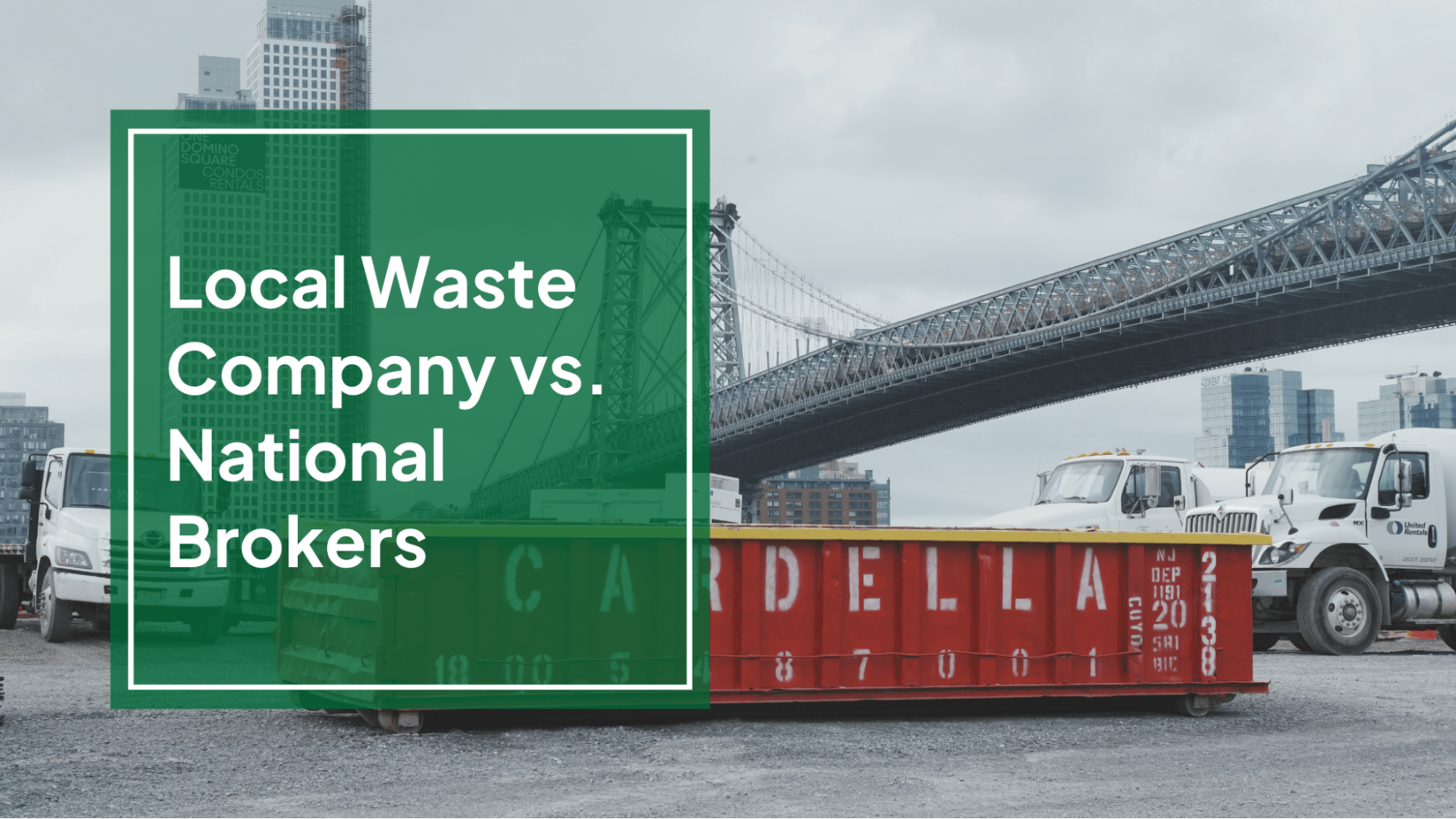
When you order a dumpster for a construction project, the company taking your order may not be the company delivering the container.
Many national dumpster rental platforms operate as brokers. They accept the order, collect payment, and then hire a local hauler to perform the actual service. This model may be convenient for a simple, one-time rental, but it can create unnecessary complications on an active construction site.
Construction waste removal is rarely a one-and-done transaction. Project managers and site supers need containers delivered, swapped, and removed according to changing schedules. They need a provider who understands local requirements, answers the phone, and can respond quickly when the job changes.
Working directly with a local dumpster rental company in NYC or Northern New Jersey gives contractors greater visibility and control over the service they receive.
A local dumpster provider owns or directly operates the trucks, containers, facilities, and dispatch systems used to complete your service.
A national broker acts as the middleman between the contractor and the company performing the work. When you place an order, the broker locates a hauler in its network and hires that company to deliver and service the container.
That extra layer can affect everything from response times to pricing and accountability. If a container is late or a pickup is missed, you may have to contact the broker, wait for the broker to reach the hauler, and then wait again for an update.
With a direct construction waste removal provider, you’re communicating with the team responsible for the work.
Construction schedules change constantly.
A demolition crew may fill a container sooner than expected. A concrete pour may require a dumpster to be moved. A site superintendent may discover late in the afternoon that an empty container is needed before the next morning.
Local providers are often better equipped to respond because their dispatchers communicate directly with their drivers. They know which trucks are nearby, which containers are available, and whether an additional stop can be added to the day’s route.
A broker typically has less control over those decisions. Its customer service team may submit a request, but the local hauler ultimately determines when the work can be completed.
Direct communication can make a significant difference when you need:
On a busy construction project, dispatch flexibility isn’t simply convenient. It can help prevent debris from disrupting production, access, and jobsite safety.
Dumpster rental regulations vary by location, sometimes from one municipality to the next.
In New York City, contractors may need to consider street placement rules, permit requirements, approved service hours, traffic restrictions, and site-specific access conditions. Northern New Jersey municipalities may have different procedures for containers placed on public streets or rights-of-way.
A local dumpster rental company regularly works within these requirements. Its team is more likely to understand:
This local knowledge is especially valuable on projects with limited staging space, tight city streets, occupied buildings, or strict delivery schedules.
National brokers can provide general information, but they may not know the details of your particular municipality or jobsite. When permit or placement information passes through multiple companies, there is also a greater chance of miscommunication.
Working directly with an experienced local provider helps contractors identify potential problems before a truck arrives.
A one-time residential cleanout might require one delivery and one pickup. A commercial construction project may require service for months or even years.
Over that period, contractors need a dependable supply of containers, reliable pickups, and a provider that understands how the project operates.
When you work with a local hauler, the provider becomes familiar with details such as:
That familiarity can make future service faster and more predictable.
A broker may use different subcontracted haulers based on pricing, availability, or location. Even when the same hauler is used, the contractor’s instructions must still pass through the broker. Important jobsite information can be delayed, shortened, or lost along the way.
Direct relationships create continuity. Your waste provider knows the project, your team knows who to call, and both sides can improve the process as work progresses.
Construction teams don’t have time to chase down multiple companies for an answer.
When a dumpster is blocking access, a delivery window changes, or the next phase of work begins early, the site team needs to reach someone who can act on the information.
With a local construction waste removal provider, communication follows a shorter path:
Contractor → Local provider → Dispatcher → Driver
With a broker, communication may look more like:
Contractor → Broker representative → Broker operations team → Local hauler → Dispatcher → Driver
Every added step creates another opportunity for delays or misunderstandings.
Direct communication also makes it easier to confirm specific details. Contractors can ask whether the truck has been dispatched, receive an updated arrival window, or explain unusual site conditions to the people coordinating the service.
When several companies are involved in a dumpster rental, responsibility can become unclear.
The broker may say it sent the request. The hauler may say it never received the correct information. Meanwhile, the contractor still has a full container sitting on the jobsite.
A local provider has more direct ownership of the outcome. The same company that accepts the order is responsible for dispatching the truck, servicing the container, and resolving problems.
That accountability matters when a missed pickup could:
No dumpster company can eliminate every disruption caused by traffic, weather, equipment, or jobsite conditions. The difference is how quickly and transparently the provider responds when something goes wrong.
National booking platforms are often designed to simplify dumpster rental into a few standard choices. Construction projects are rarely that simple.
The correct service depends on the material, volume, available space, building conditions, loading method, and project schedule. A direct provider can recommend an option based on how the job will actually operate.
For example, a local provider may suggest:
The cheapest or largest container shown on a booking platform isn’t always the most efficient option. A conversation with an experienced local provider can prevent overweight loads, rejected materials, access problems, and unnecessary service charges.
Local waste companies depend heavily on long-term customer relationships and their reputation within the construction community.
Their drivers, dispatchers, and account representatives frequently work with the same general contractors, subcontractors, supers, and project managers across multiple jobs. One poor experience can affect far more than a single transaction.
That gives local providers a strong incentive to deliver dependable service and resolve problems quickly.
It also creates the opportunity for a genuine working relationship. Instead of starting over with each order, contractors can build a waste-management process with a provider that understands their expectations and project requirements.
Before choosing a provider, ask:
The answers will help you determine whether you’re hiring a direct local hauler or purchasing service through an intermediary.
A national broker may be able to arrange a basic dumpster delivery. But contractors managing active construction projects usually need more than a container.
They need responsive dispatch, local knowledge, consistent service, accurate documentation, and someone who is accountable when the schedule changes.
Working directly with a local dumpster rental company in NYC or a dumpster rental provider in Northern NJ removes an unnecessary layer from the process. It gives your team a direct connection to the people, trucks, and facilities responsible for keeping debris moving off the site.
Request a direct quote from a local construction dumpster provider and compare service options before booking.