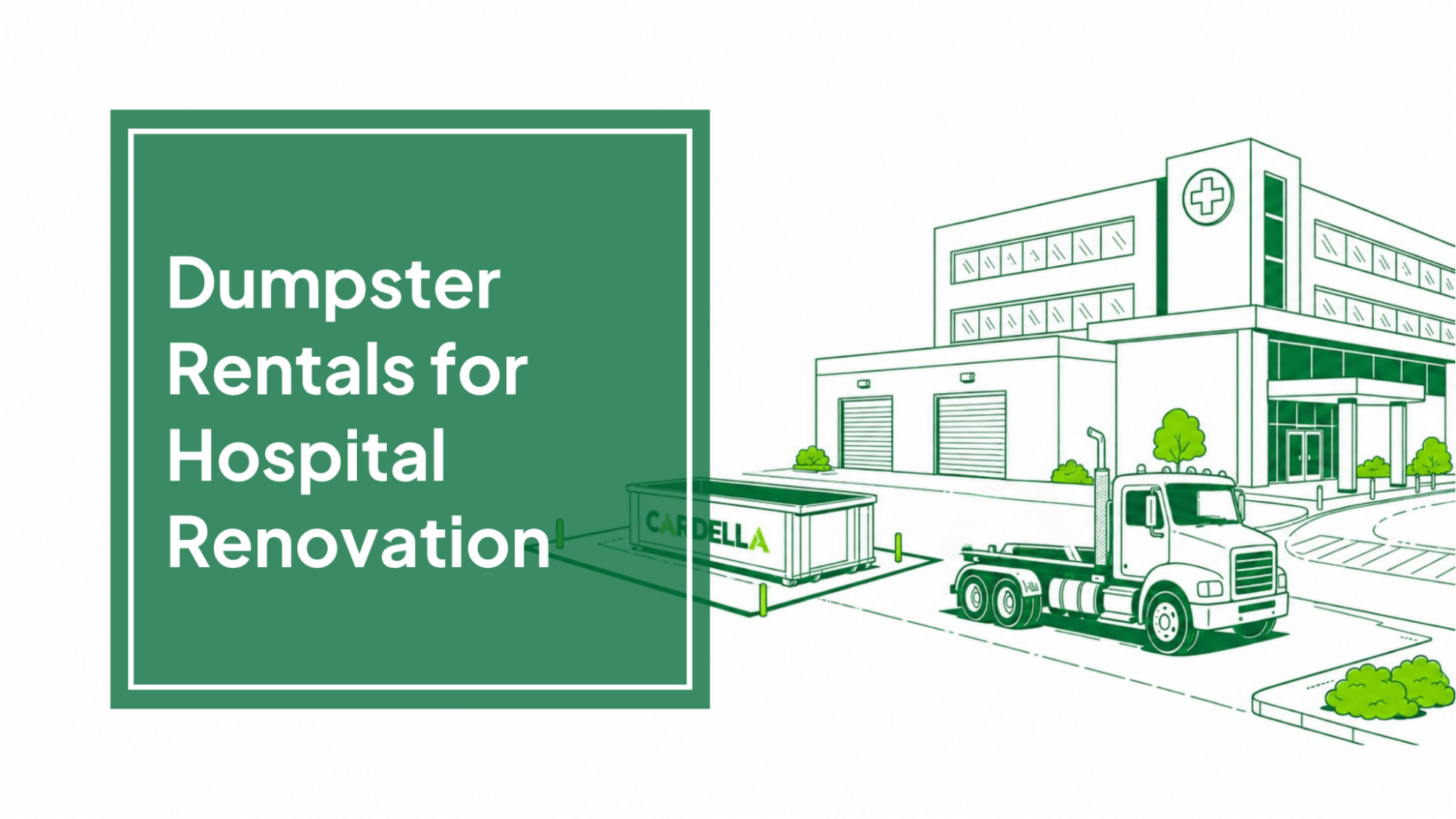
Renovating a hospital, medical office, clinic, or healthcare campus is rarely a straightforward construction project.
The work may happen steps away from patient rooms, treatment areas, laboratories, offices, or public entrances. Staff and visitors still need to move safely through the property. Deliveries cannot interfere with emergency access. Noise, dust, and debris must be carefully controlled. And even minor service delays can disrupt an already complicated construction schedule.
A well-planned waste removal strategy helps contractors manage these challenges. The right containers, placement plan, and pickup schedule can keep debris moving off the site without creating unnecessary congestion or disruption.
Here is what contractors should consider when arranging a healthcare construction dumpster rental in NYC or Northern New Jersey.
Common Waste Generated During Healthcare Renovations
Healthcare renovations can produce many of the same materials found on other commercial construction projects, including:
- Drywall and ceiling tiles
- Metal framing and ductwork
- Wood and millwork
- Flooring and carpeting
- Doors, hardware, and fixtures
- Glass and packaging materials
- Concrete, masonry, and other heavy debris
- Office furniture and built-in cabinetry
- Plumbing and electrical components
However, contractors must pay close attention to how different waste streams are identified and separated.
A construction dumpster should only contain materials approved by the waste provider. Medical waste, pharmaceuticals, sharps, chemicals, batteries, electronics, and other regulated or potentially hazardous materials may require specialized handling and should not be placed in a standard construction container.
Before demolition begins, confirm which materials will be generated and whether any require separate containers, approved vendors, or special disposal procedures. Reviewing the waste plan early reduces the risk of rejected loads, unexpected charges, or project delays.
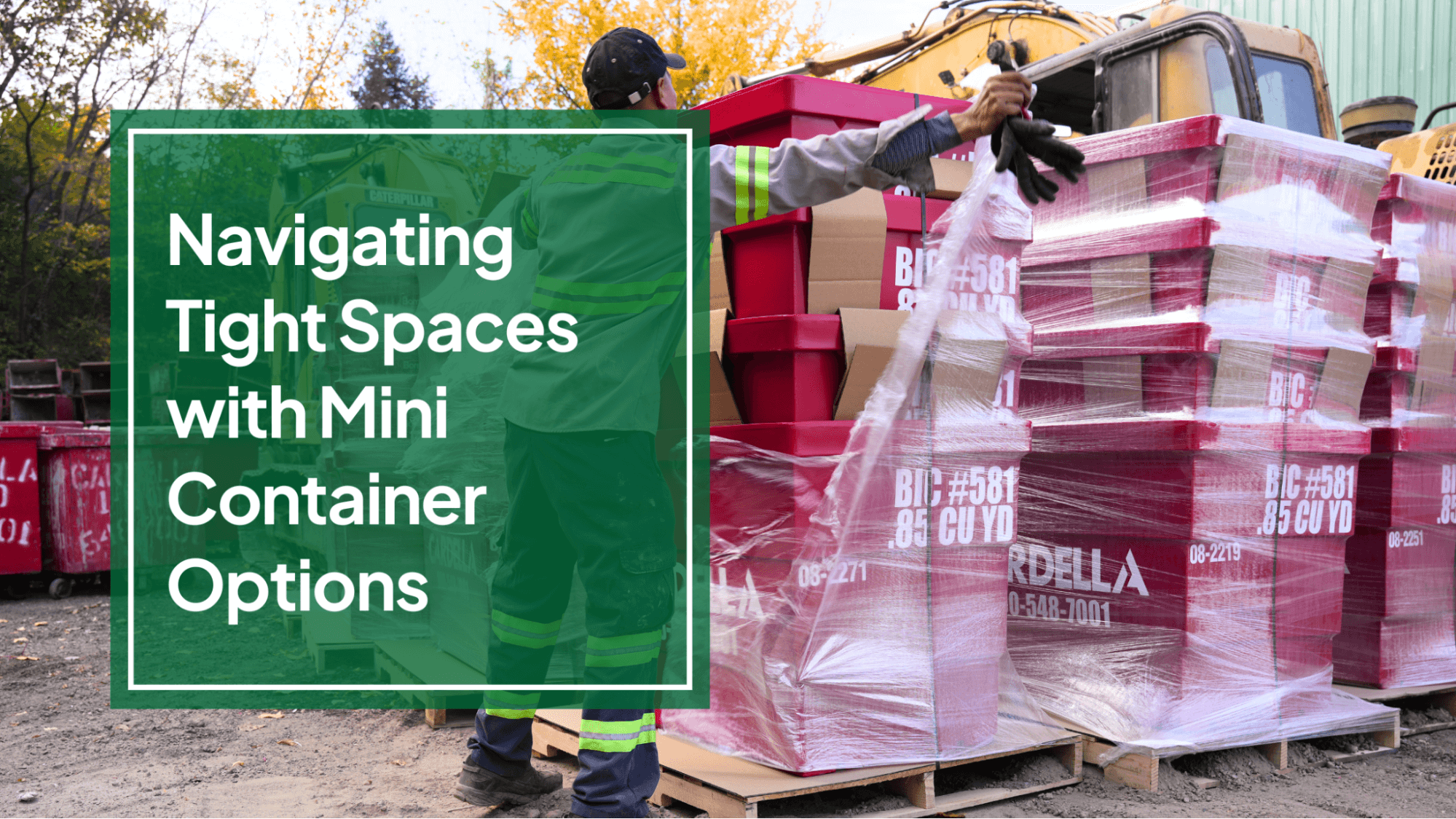
It also helps the dumpster provider recommend the appropriate container sizes. A 10-yard container may be useful when space is limited or debris is particularly heavy. A 20-yard container may offer greater capacity for general construction debris. For interior work, smaller containers or mini containers may help crews move debris through service elevators and tight corridors before it reaches the designated loading area.
Working Around Patients, Staff, and Visitors
On an occupied healthcare project, waste removal must fit around the facility’s daily operations.
Patients may be entering the building throughout the day. Employees may be changing shifts. Ambulances, supply vendors, food service vehicles, and maintenance teams may all need access to the same roads and loading areas used by construction crews.
That makes coordination essential.
Before service begins, the contractor, facility representative, and waste provider should establish:
- Approved delivery and pickup windows
- Designated truck entrances and exits
- Restricted areas and emergency access routes
- On-site contacts for each service
- Required security or check-in procedures
- Rules for staging debris before loading
- Noise-sensitive hours or departments
- Procedures for unexpected schedule changes
Whenever possible, dumpster deliveries and pickups should be scheduled during lower-traffic periods. But not during hours that would disturb patients’ rest. Depending on the facility, specific windows should be coordinated with hospital operations.
Drivers should also receive clear site instructions before arriving. In a dense NYC medical district or a large Northern NJ healthcare campus, vague directions can cause delays and place a truck in the wrong loading zone. Accurate entrance information, contact numbers, access restrictions, and placement instructions make each service safer and more efficient.
Dumpster Placement Near Active Medical Facilities
Dumpster placement is especially important at an active healthcare facility.
The closest location to the work area is not always the best location for the overall property. A container that saves the construction crew a few steps could block emergency access, interfere with patient drop-off, restrict a delivery route, or create an unattractive and inconvenient obstruction near a public entrance.
When evaluating a placement area, consider:
- Emergency vehicle and fire department access
- Patient entrances and accessible routes
- Employee and visitor parking
- Loading docks and supply deliveries
- Pedestrian traffic
- Overhead clearance
- Underground utilities
- Surface strength and slope
- Space required for the truck to deliver and service the container
- Proximity to air intakes, windows, and occupied areas
- Local permit or property requirements
Space is often particularly limited on hospital renovation dumpster projects in NYC. A smaller container with more frequent pickups may be more practical than a large dumpster that occupies valuable space for an extended period.
In some cases, interior mini containers can help crews consolidate and transport debris to a controlled loading area. These containers can be especially useful on upper-floor renovations, in finished areas, or in buildings where debris must travel through service elevators.
The placement plan should be reviewed before the container arrives. Photos, measurements, site maps, and a brief walkthrough can help the waste provider determine whether the intended location is accessible and serviceable.
Contractors should also confirm who is responsible for any required permit. In NYC, Cardella can handle street permits for dumpster placements. In New Jersey, permit requirements vary by municipality and are typically handled by the customer.
Use Scheduled Pickups to Reduce Congestion
Waiting until a dumpster is overflowing before requesting service is risky on any construction project. At a healthcare facility, it can create an even bigger operational problem.
An overfilled dumpster may:
- Leave crews without a place to dispose of debris
- Cause waste to accumulate in work or loading areas
- Create tripping or housekeeping concerns
- Interfere with other deliveries
- Make the construction zone more visible to patients and visitors
- Force the contractor to request an urgent pickup during a busy service period
A proactive pickup schedule helps prevent these problems.
Contractors should estimate waste volume based on the project phase rather than relying on a single schedule for the entire renovation. Demolition may require frequent swaps, while later phases may generate smaller amounts of packaging, drywall, and finish materials.
A practical schedule might include:
- More frequent service during demolition
- Reduced service during mechanical and rough-in work
- Additional pickups during finish removal or furniture replacement
- Final cleanout service before inspections or turnover
For larger healthcare campuses, contractors may also need to coordinate multiple containers serving different buildings, floors, or construction phases. Clearly labeling containers and tracking service by location can help project teams understand where waste is being generated and adjust the schedule accordingly.
A responsive local provider can also help when the construction schedule changes. If demolition moves faster than expected or access to a loading area becomes temporarily restricted, direct communication with dispatch makes it easier to adjust service without losing valuable work time.
Maintain Clean Loading Areas Throughout Construction
Cleanliness matters on every jobsite, but it is particularly visible and important at an operating medical facility.
Even when the construction zone is separated from patients and visitors, debris can migrate into shared spaces. Dust can be tracked through hallways. Loose packaging can blow across parking areas. An untidy loading zone can interfere with hospital operations and reflect poorly on the contractor.
A clean waste area starts with clear procedures.
Crews should:
- Place debris inside the container rather than beside it
- Keep waste below the container’s fill line
- Close doors or covers when available
- Sweep the surrounding area regularly
- Secure lightweight materials that could blow away
- Maintain clear pedestrian and vehicle routes
- Separate prohibited or regulated materials
- Report damaged containers or spills promptly
- Avoid staging debris in active corridors or public areas
It is also important to match the container to the material. Heavy debris should be placed in an appropriately sized container and kept within allowable weight limits. Bulky items may need to be broken down or scheduled separately. Finished interiors may benefit from plastic mini containers that are easier to move through the building without damaging walls, floors, or doorways.
Assigning responsibility for the loading area can make a significant difference. When one person or team is responsible for monitoring fill levels and requesting service, pickups are less likely to be delayed until the situation becomes urgent.
Build Waste Removal Into the Project Plan
Dumpster service should be included in the healthcare renovation plan from the beginning, not treated as a last-minute task once demolition starts.
Before selecting a provider, give them enough information to build an accurate service recommendation:
- Facility type and project location
- Whether the building will remain occupied
- Anticipated waste materials
- Estimated project duration
- Demolition and construction phases
- Available placement areas
- Loading dock or service elevator restrictions
- Approved truck access routes
- Preferred service windows
- Expected container sizes and quantities
- Permit requirements
- Security and site-contact procedures
- Documentation or reporting needs
The best strategy may not be one large dumpster. Depending on the facility, it could involve smaller roll-off containers, interior mini containers, phase-based scheduling, or multiple waste streams.
Planning these details early gives the contractor, healthcare facility, and waste provider time to identify potential access or scheduling problems before they affect the work.
Choose a Waste Partner That Can Adapt to the Project
Healthcare construction does not always follow a predictable schedule. Work may pause to accommodate facility operations. Access windows may change. Demolition may uncover additional material. A department may need to remain open longer than expected.
Contractors need a waste provider that can communicate clearly and respond when conditions change.
When comparing providers, ask:
- What experience does your company have with hospital renovation projects?
- Do you operate your own trucks and employ your own drivers?
- Can you provide scheduled pickups and accommodate urgent service requests?
- What container options are available for tight spaces and interior work?
- How will dispatch communicate arrival information?
- Can you manage multiple containers or phases across a healthcare campus?
- What materials are prohibited?
- What are the container weight limits?
- Who handles permits?
- What service and recycling documentation is available?
- What happens if access or project schedules change?
The answers can reveal whether the provider is prepared to support a complex medical facility construction waste plan, or simply deliver a container and leave the rest to the contractor.
Keep the Project Moving Without Disrupting Care
An effective dumpster plan does more than remove debris. It helps protect access routes, reduce congestion, maintain cleaner work areas, and keep crews productive inside an active healthcare environment.
By choosing the right containers, confirming placement requirements, scheduling service around facility operations, and maintaining direct communication with the waste provider, contractors can prevent waste removal from becoming another source of disruption.
Planning a healthcare renovation? Request a customized waste management plan or order your dumpster online for reliable, scheduled service throughout NYC and Northern New Jersey.